
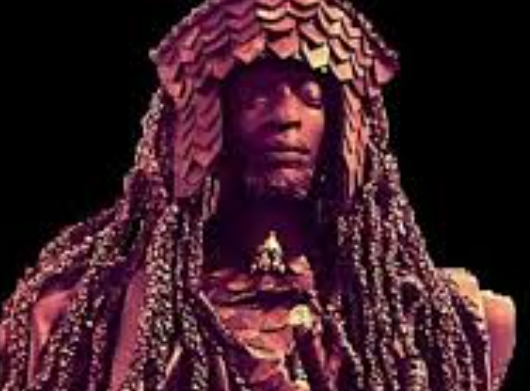
Alaafin Ajaka, son of Oranmiyan and brother of Ṣàngó, was the second ruler of the Oyo Empire in the early 13th century.
Known as Ajaka Òkò (“farmer king”), he loved farming (oko) and cared for animals. Gentle and peaceful, his nature clashed with Oyo’s warrior (ogun) culture, leading to his removal during the Bariba threats.
Exiled to Tapa, he lived quietly, farming and forming alliances. After Ṣàngó’s death, the Oyomesi recalled Ajaka, and he returned to rule a second time, blending peace with strength.
Remembered as an Oríṣà of peace, his legacy is honored in shrines in Òyó-Ilé and Ilé-Ifẹ̀, through Ifá divination and annual rituals in aṣọ funfun with ọ̀bì offerings.
Symbols like his oko, white ram sacrifices, egúngún masquerades, and the Ogìdìgbò drum celebrate his calm, fair, and resilient leadership, preserved in oríkì Ajaka and Ìtàn Ajaka epics. His name and lineage are still influential in Yoruba culture and diaspora.
READ ALSO: Ala (Ani): The Igbo Earth Goddess Of Morality, Fertility, And Law In Odinani
Who Was Alaafin Ajaka?
Alaafin Ajaka was the son of Oranmiyan and the brother of Sàngó. He ruled Oyo in the early 13th century. People called him Ajaka Òkò because he loved oko (farming) and cared for animals. He was gentle and preferred peace.
Ajaka’s bloodline came from Odùduwà, the Yoruba ancestral father. He ruled two times. His soft nature did not fit the Ogun (warrior) culture of early Oyo, so he lost the throne, but later returned for a second reign.
His full name was Alaafin Ajaka Òkò. The word Òkò in Yoruba means farmer or husbandman. He was the second Alaafin after Oranmiyan, who lived in the early 1200s. His first reign was around the 1210s.
Many Yoruba stories remembered him as an Orìṣà of peace. His father was Oranmiyan, the warrior who founded Oyo. His brother was Sàngó, the thunder Orìṣà and a strong Alaafin.
After Ajaka’s second reign, Aganjú became Alaafin. During his first time on the throne, Ajaka tried to bring àlàáfíà (peace) and fairness. But he faced trouble. Bàárìbá raiders attacked Oyo. Internal enemies also challenged him.
Why Did Ajaka Rule The Oyo Empire Twice?
Alaafin Ajaka ruled Oyo two times, which is unusual. At first, he lost the àṣẹ of the throne because Oyo faced Bariba attacks. The people needed a fierce warrior. Ajaka was calm. Too calm for war. So the Oyomesi removed him.
They called his brother Sàngó, the strong oníjà, to lead. Ajaka’s first rule started around the 1210s. He came from the Ọ̀rànmíyàn line. He liked farming. He liked peace.
But the Bariba pressure grew. Inside Oyo, people grumbled. Trouble rose. Ajaka was sent away to the Tàpà lands. Sàngó became king around the 1250s.
He fought many battles. He spread Oyo power. But his time ended in scandal and his famous ìku Sàngó, his tragic death.
Oyo shook. The land feared more chaos. The Oyomesi then remembered Ajaka. They wanted calm again, then they brought him back in the 1270s.
But how did Ajaka return? His exile taught him lessons, combining peace with strength. However, he ruled better the second time.
READ ALSO: Àjẹ́: Yoruba Orisha Of Wealth And Commerce
What Happened During Ajaka’s Exile From Oyo?
After Ajaka lost the throne during the rising Bariba wars, he ran from Oyo. He went to the Tapa kingdom in Nupe land, where he sought abo (refuge).
Far from the Alaafin seat, he returned to his Ajaka Ọkọ nature. He farmed and raised animals. He lived quietly among the Tapa people. Oyo troubles still followed him, but he endured the long ìpò àkọsílẹ̀ (exile period).
This Ajaka Tapa period pushed him hard. The Bariba wars still reached Nupe with noise and trouble. Many leaders in history found new strength far from home, and Ajaka was the same.
Ajaka lived in Nupe and formed soft alliances with Tapa rulers, which helped him protect the Oranmiyan royal pride even while Sàngó ruled with turmoil. News of Sango’s fall reached him in the 1270s. People spoke of scandal and Sango’s death by suicide.
The Oyomesi regretted their choice. Ajaka’s exile slowly became a new opportunity. Messengers came to him, telling him to prepare for his return.
What is the legacy of Ajaka?
Alaafin Ajaka is still alive in Yoruba memory as an Oríṣà of peace and resilience.
Spiritual And Oríṣà Worship
After his second reign, Ajaka became honored as Oríṣà Ajaka (the deified Ajaka). Shrines in Òyó-Ilé (Oyo town) and Ilé-Ifẹ̀ (Ife town) call on him through Ifá (Yoruba divination system), especially the Ogbe-Osa odu (a specific Ifá sign), seeking fairness and humility.
Every year, devotees gather in aṣọ funfun (white cloth). They offer cowries and ọ̀bì (kolanut). Pilgrims come to perform àlàáfíà ọkọ-sùnrẹ̀ rituals (rituals for marital peace and harmony).
These traditions are carefully recorded in the Oyokun (lineage or historical) chronicles.
Symbols And Proverbs Of Ajaka
Ajaka’s hoe, oko, symbolizes his title Ajaka Òkò (Ajaka of the farm), connecting him to farming and the land. White ram sacrifices signify purity.
Yoruba people still say, “Ajaka loògùn” (Ajaka is medicine). This proverb appears in the Ìtàn Ajaka (epic stories of Ajaka).
During festivals, egúngún (ancestral masquerades) contrast his calm nature with Ṣàngó’s (the god of thunder) fiery energy, especially during the Oyo New Yam celebrations.
The Ogìdìgbò Drum And Royal Authority
The Ogìdìgbò (royal slit-gong or talking drum) echoes Ajaka’s authority. Deep tones signal strength and resilience. High tones call for equality.
The drum “speaks” proverbs during palace ceremonies and in oríkì Ajaka (praise poetry for Ajaka). Since the 12th century, Yoruba and Benin courts have used it to deliver royal messages.
READ ALSO: Agwu Nsi: Igbo Deity Of Divination, Affliction, And The Dibia
FAQs On Ajaka
What Is The History Of Ajaka?
Alaafin Ajaka, son of Oranmiyan, was the second ruler of the Oyo Empire. He was deposed for his mildness during the Bariba threats and exiled to Tapa. However, he returned after Ṣàngó’s suicide. He is the only Alaafin to have ruled twice.
What Is The Meaning Of Ajaka?
The name Ajaka comes from Yoruba “aja” (warrior or fighter) plus a diminutive ending. As Alaafin Ajaka Òkò, it means “farmer king” (oko = husbandman or cultivator). Ajaka is also an Oríṣà (deity) of equality in Yoruba mythology.
What Is The Origin Of Ajaka As A Surname?
The Ajaka surname comes from Yoruba royalty, tracing to Alaafin Ajaka’s lineage in the Oyo Empire. It is common among descendants in Nigeria, the Southwest, and the diaspora.